Upgrade Your Outdoors using Expert Artificial Grass Installation Services
Revamping outdoor spaces with artificial grass has become a sensible option for many property owners. This approach gives a lush, verdant landscape without the perpetual demands of natural grass. The setup procedure is straightforward, yet grasping the nuances can make a substantial difference. Considering the advantages and considerations of this option reveals much more than mere aesthetics. What elements should one consider before making such a change?
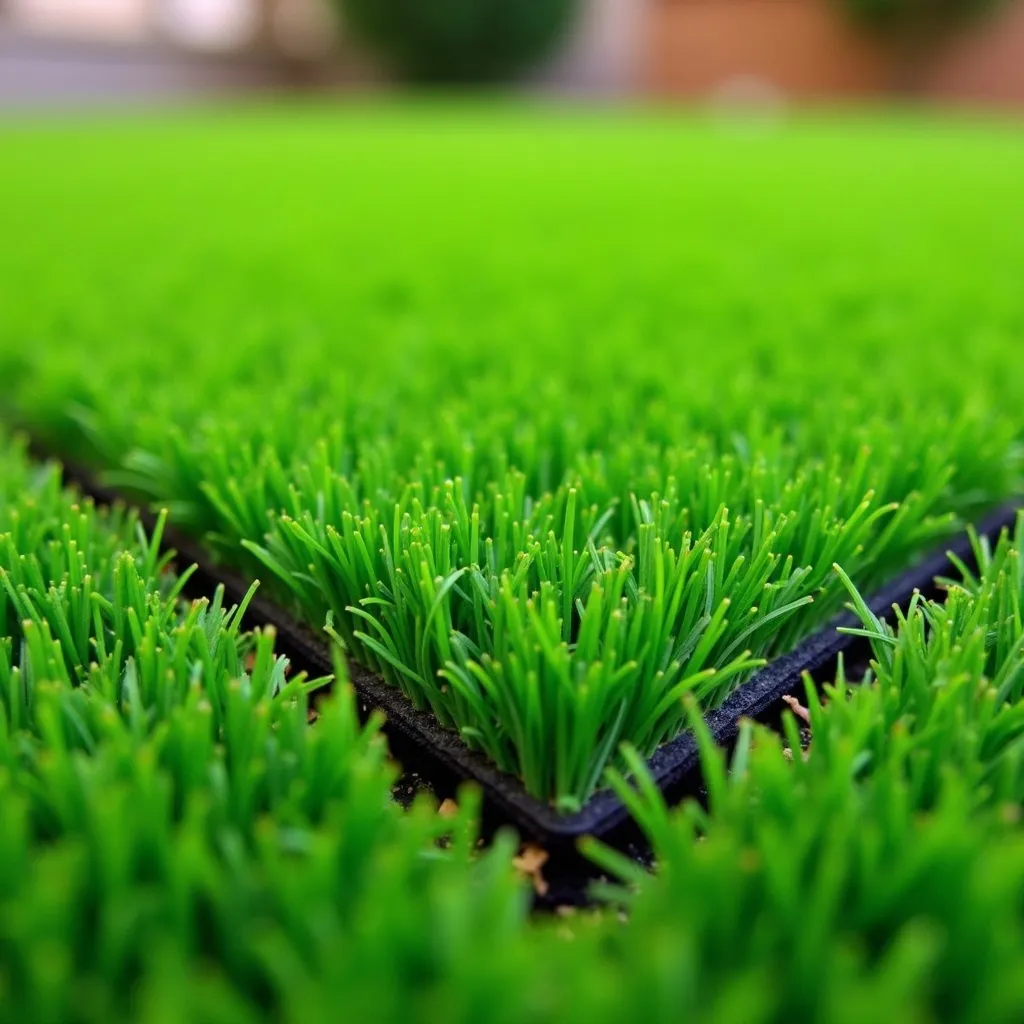
Why You Ought to Swap Your Lawn With Artificial Grass
Many homeowners are gradually choosing to replace their natural lawns with artificial grass owing to its various pluses. One of the chief benefits is the marked reduction in maintenance time and costs. Unlike natural grass, artificial turf does not demand routine mowing, watering, or fertilizing, enabling homeowners to save on both labor and inputs. Additionally, artificial grass stays lush and green throughout the year, providing a uniformly appealing aesthetic regardless of weather situations.
Additionally, synthetic lawn is eco-friendly, as it eliminates the need for toxic chemical sprays. It also preserves water, a crucial concern in many regions experiencing drought. The durability of synthetic lawn guarantees that it can withstand heavy foot traffic, making it suitable for families with children and pets. Ultimately, the decision to install artificial grass can result in a more green, lovely, and trouble-free outdoor space.
What to Expect During Installation?
During the installation of synthetic turf, property owners can expect a organized and streamlined procedure that transforms their yard. Initially, the crew conducts a thorough assessment of the area, determining size and identifying any water problems. Following this, they prepare the ground by removing existing grass and debris, ensuring a level foundation for the fresh lawn.
Subsequently, a layer of crushed stone is applied to support suitable drainage. The team subsequently installs a weed barrier to prevent unwarranted growth beneath the grass. When the base is finished, the artificial grass is unrolled and trimmed to accommodate the targeted area, ensuring seamless edges.
In conclusion, the grass is held in place with stakes or adhesive, and infill materials could be applied for strength and natural appearance. Property owners should anticipate to see their refreshed outdoor area ready for use within a brief period, often just a day or two.
Choosing the Best Synthetic Turf for Your Lifestyle
When determining artificial grass, understanding how it suits your lifestyle is vital. Factors including usage frequency, pet ownership, and aesthetic preferences are essential in determining the ideal selection. Additionally, maintenance expectations can vary substantially, affecting long-term satisfaction and maintenance.
Lifestyle Harmony Factors
Picking the appropriate engineered turf entails evaluating several lifestyle-related considerations that can profoundly affect its performance and fit in diverse locations. For households with kids and animals, resilience and strength prove paramount, guaranteeing the grass can withstand heavy activity and recreation. Likewise, environmental conditions functions as a key element; regions experiencing harsh weather could demand sun-protective components to avoid fading. The primary application additionally counts—whether for recreational zones, decorative landscaping, or athletic applications, various synthetic grass types deliver special benefits. In addition, aesthetic considerations should complement the comprehensive design of the exterior space, confirming a unified appearance. In conclusion, municipal guidelines or neighborhood rules could impose boundaries, rendering it necessary to recognize such elements before proceeding with selection.
Upkeep Requirements Guide
Maintenance requirements are crucial in determining the best artificial grass for individual ways of living. Different types of artificial grass have varying maintenance demands, which can affect a homeowner's choice. For those with pets or children, selecting a product that is easy to clean and resistant to stains is important. Additionally, some varieties may require periodic brushing and infill replenishment to preserve their appearance and functionality. In contrast, low-maintenance options are ideal for busy individuals who want a more hands-off approach. Understanding these maintenance factors helps homeowners to select artificial grass that not only enhances their outdoor aesthetics but also aligns with their lifestyle requirements, ensuring long-term satisfaction and enjoyment.
Important Stages for Installing Artificial Grass
Deploying artificial grass demands several vital steps to guarantee a successful outcome. Important elements include thorough ground preparation methods, establishing proper drainage solutions, and executing the grass installation process carefully. Each step proves important in obtaining a resilient and visually appealing result.
Site Preparation Strategies
Preparing the site effectively is necessary for a successful artificial grass installation. Initially, the existing grass and debris need to be removed to guarantee a clean base. Then, the ground must be leveled, addressing any indentations or high areas to form an even surface. Soil compaction is crucial to avoid future settling, which can be done using a plate compactor. After the area is level and compacted, a weed barrier fabric should be installed to limit future growth. Lastly, a layer of crushed stone or gravel should be applied to enhance drainage and provide stability. These steps collectively create a solid foundation, ensuring the durability and performance of the artificial grass.
Proper Drainage Solutions
After constructing a sturdy base through proper site preparation, attention turns to putting in place reliable drainage options for artificial grass. Making sure ample drainage is necessary to prevent water collection, which can harm the grass and create bad odors. The installation process typically entails including a drainage layer, often comprised of crushed stone or gravel, underneath the artificial turf. This layer supports water movement away from the surface, permitting for quick absorption and lowering the risk of pooling. Furthermore, well-placed drainage channels can boost water flow, directing excess moisture away from high-traffic areas. It is vital to review the landscape's natural slope to optimize drainage efficiency, ultimately safeguarding the integrity and appearance of the artificial grass.
Turf Setup Procedure
The grass installation process develops through a series of precise steps that ensure a positive outcome. Initially, the area is assessed and marked for accurate dimensions. Following this, current vegetation and waste are eliminated, ensuring a clean surface. Next, a compacted base layer of aggregate material is placed to enhance drainage. A landscape fabric is then laid to prevent unwanted growth.
Once the base is ready, the artificial grass is rolled out and cut to fit the designated area. It is fastened with stakes or adhesive to maintain stability. Finally, infill material is applied to boost durability and mimic natural grass. This systematic approach yields a stunningly renovated outdoor space.
Guide to Maintaining Your Artificial Grass Staying Great
Preserving the luminous appearance of artificial grass involves ongoing maintenance and care. Periodic cleaning is essential; a simple rinse with water can remove debris and dust. For more stubborn stains, a blend of gentle cleanser and water is effective. Also, wielding a broom or a stiff brush can support keeping the fibers upright and looking fresh.
Consistently checking for foreign objects, such as leaves or branches, stops buildup that can cause discoloration. To ensure ideal drainage, make certain that any excess water is quickly eliminated. During periods of heavy use, it may be useful to add infill to maintain the grass's physical integrity and visual quality.
Ultimately, protecting artificial grass from pointed items prevents deterioration. By sticking to these uncomplicated maintenance tips, property owners can confirm their synthetic grass remains an attractive and functional outdoor space for years to come.
Genuine Examples of Artificial Grass Success
Artificial grass improves the aesthetic appeal of outdoor spaces and transforms them into usable zones for families and pets. Numerous homeowners have shared impressive transformations after installing artificial grass. In one case, a family with a small backyard replaced their patchy lawn with lively synthetic turf. This modification created a safe, green play area for their children and pets, greatly increasing outdoor usage.
Another success involves a community park that grappled with maintenance costs and water restrictions. By going with artificial grass, the park not only diminished its environmental footprint but also furnished a luxuriant, attractive space for social events and recreation, spurring increased community engagement.
Moreover, a commercial property strengthened its appeal by incorporating artificial grass in its outdoor lounge area, encouraging more visits. These stories reveal how artificial grass can markedly enhance outdoor environments, integrating beauty with practical value.
Frequently Asked Questions
Is Man-made Grass Secure for Furry companions and Kids?
Artificial grass is generally safe for pets and children. It is lacking toxic elements, easy to clean, and devoid of dangerous chemicals. However, making sure installation and maintenance are done properly is important for best safety and comfort.
What Length Will Artificial Grass Last?
Artificial grass generally lasts between 15 to 25 years, based on factors such as durability, upkeep, and weather exposure. Adequate maintenance can extend its lifespan, ensuring a durable and attractive outdoor surface for different activities.
Is Installing Artificial Grass Something I Can Do Myself?
Yes, individuals are able to installing artificial grass themselves. However, it requires detailed preparation, proper tools, and a good knowledge of the laying procedure to provide a durable and successful outcome that meets practical and visual expectations.
What Price Should You Expect for Synthetic Turf Installation?
Setting up artificial grass typically costs from $5 to $20 per square foot, subject to factors including material quality, read here labor, and site conditions. Home owners should gather multiple quotes for reliable budgeting.
Does Artificial Grass Demand Water Drainage?
Yes, synthetic turf demands suitable water drainage to stop water accumulation. A well-designed drainage structure allows for optimal water flow, ensuring the long-term durability of the lawn and maintaining its aesthetic and practical qualities over time.